WizadDice
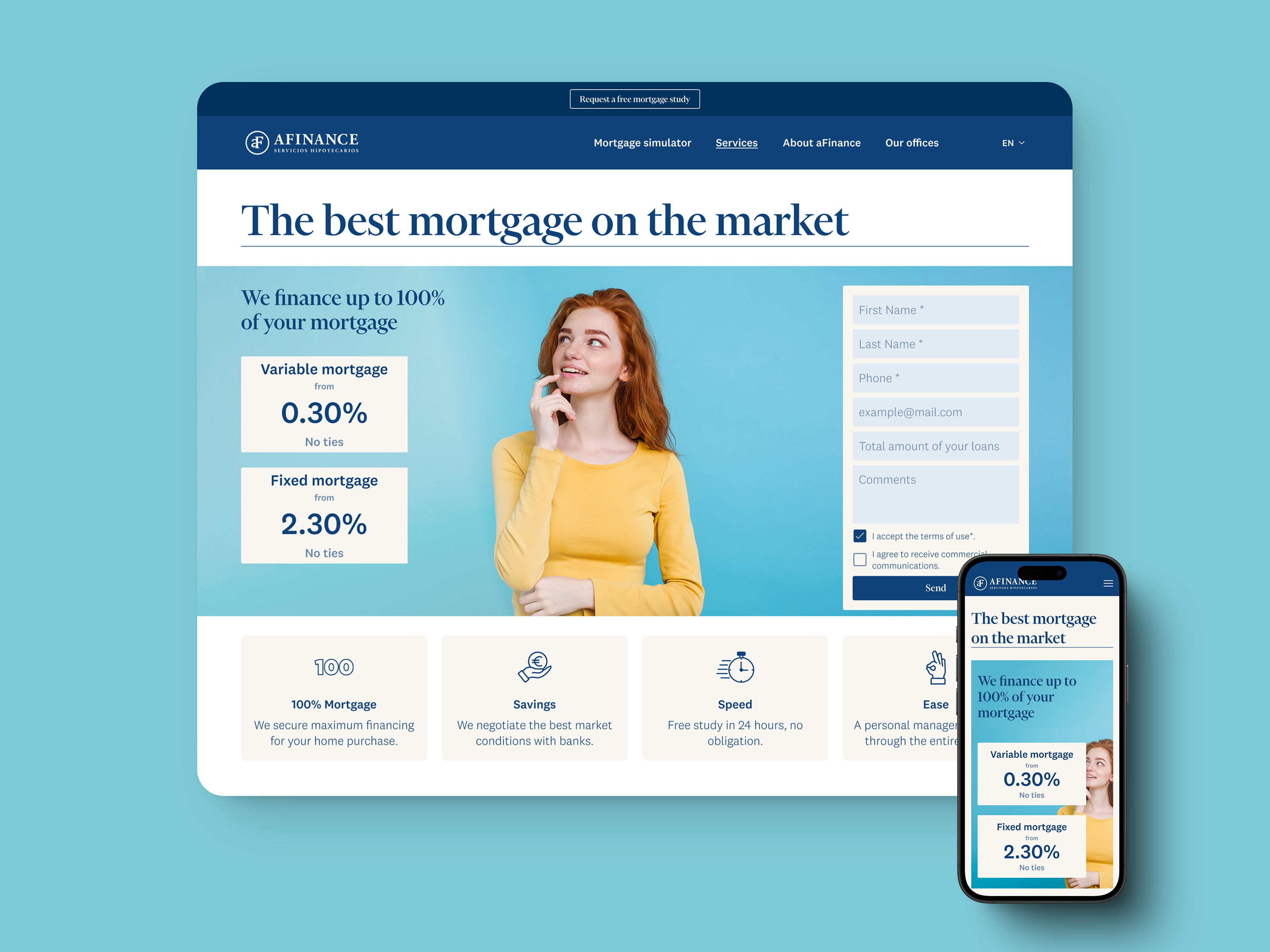
Call out a feature, benefit, or value of your site or product that can stand on its own.
View project →


Product Designer | UX/UI Designer | Figma Expert
Discover the method that will take your project to success
What is the DIGNOTM method?
A strategic design framework that turns ideas into clear, coherent, and development-ready products.
🧭
DIAGNOSIS
Analysis of the business, users, and goals to define a clear direction for the project.
💡
IDEATION
Transformation of ideas into structured wireframes, flows, and product architecture.
🧩
GENERATION
Creation of a cohesive visual identity and a scalable, system-driven UI.
⚙️
NORMALIZATION
Standardization of components and preparation of a clean, scalable handoff for development.
🔁
OPTIMIZATION
Measurement, testing, and refinement to continuously improve the design.
Customers who have used this method
1
Clarity over decoration
Visual design starts by making things understandable.Layouts, typography, spacing, and hierarchy are used to reduce cognitive load, not to impress. Every visual choice must serve clarity and usability.
2
Structure as a foundation
Good visuals are built on solid structure.Grids, systems, and consistent patterns ensure interfaces that scale, adapt, and remain predictable over time. Structure comes before styling.
3
Calm and intentional aesthetics
Visuals should feel balanced, calm, and intentional.Avoiding excess, noise, and visual tension helps users focus on what matters. Design should guide, not distract.
4
Systems, not isolated screens
Design is treated as a system, not as a collection of screens. Components, tokens, and reusable patterns ensure visual consistency and efficient collaboration with development teams.
5
Honest visual language
Visual identity should reflect what the product truly is. No artificial complexity, no visual overpromising. The interface should communicate reliability, purpose, and respect for the user.
6
Responsible use of resources
Efficiency is also a visual principle. Simpler interfaces, fewer elements, and well-considered interactions contribute to more sustainable and maintainable digital products.
How the DIGNOTM method helps digital products grow
Wireframes, user flows, and product architecture to reduce friction and clarify the experience.Deliverables — Flows, wireframes, IA, interaction logic.
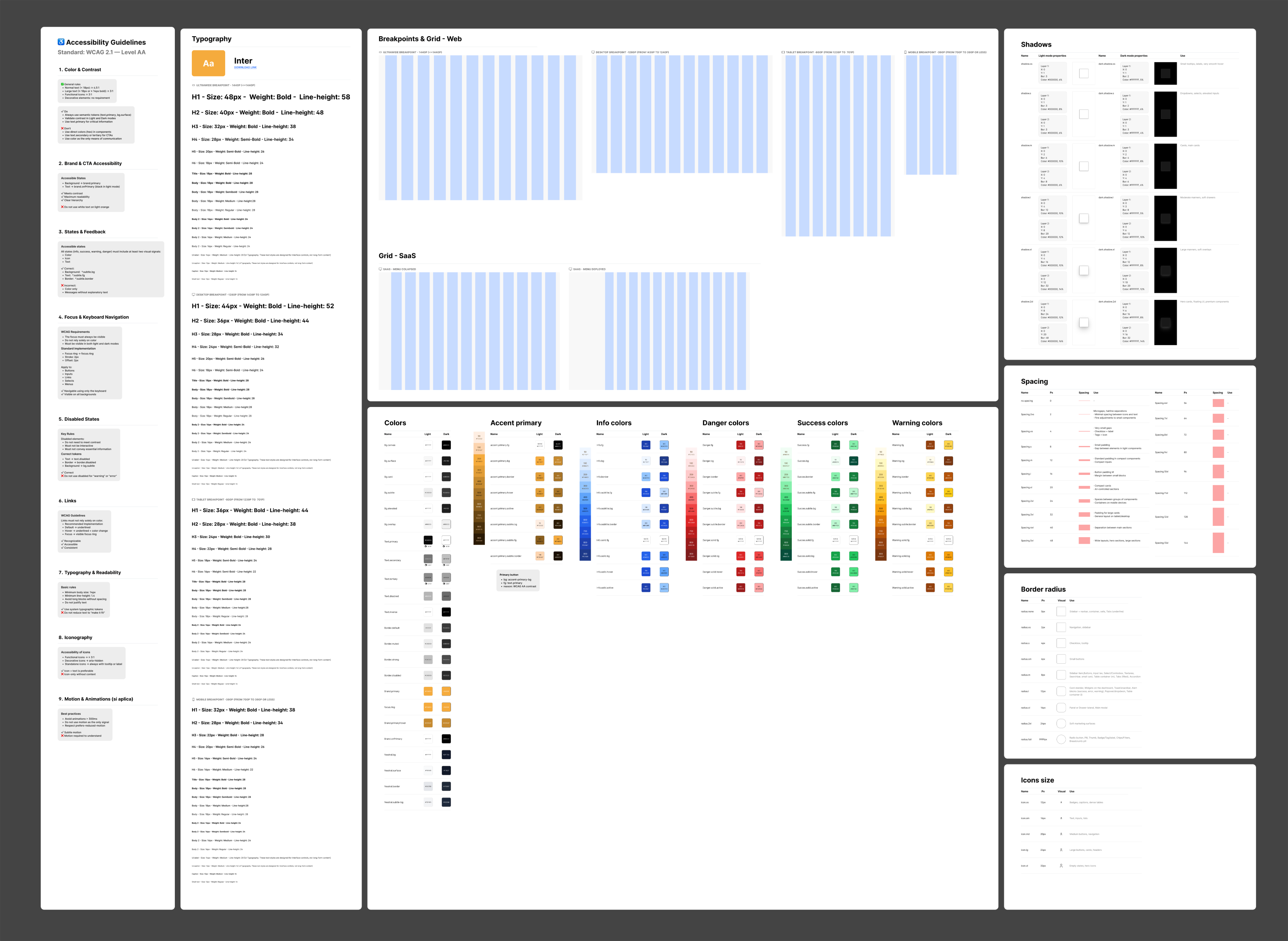
Visual identity and scalable UI system for consistent, development-ready products.Deliverables — Components, tokens, styles, documentation.
Clear, data-driven interfaces for complex platforms and B2B products.Deliverables — Modules, tables, layouts, states, empty-states.
Conversion-focused design with clear messaging and visual consistency.Deliverables — Layout, UI kit, responsive design, handoff.
Projects with the DIGNOTM method

Call out a feature, benefit, or value of your site or product that can stand on its own.
View project →
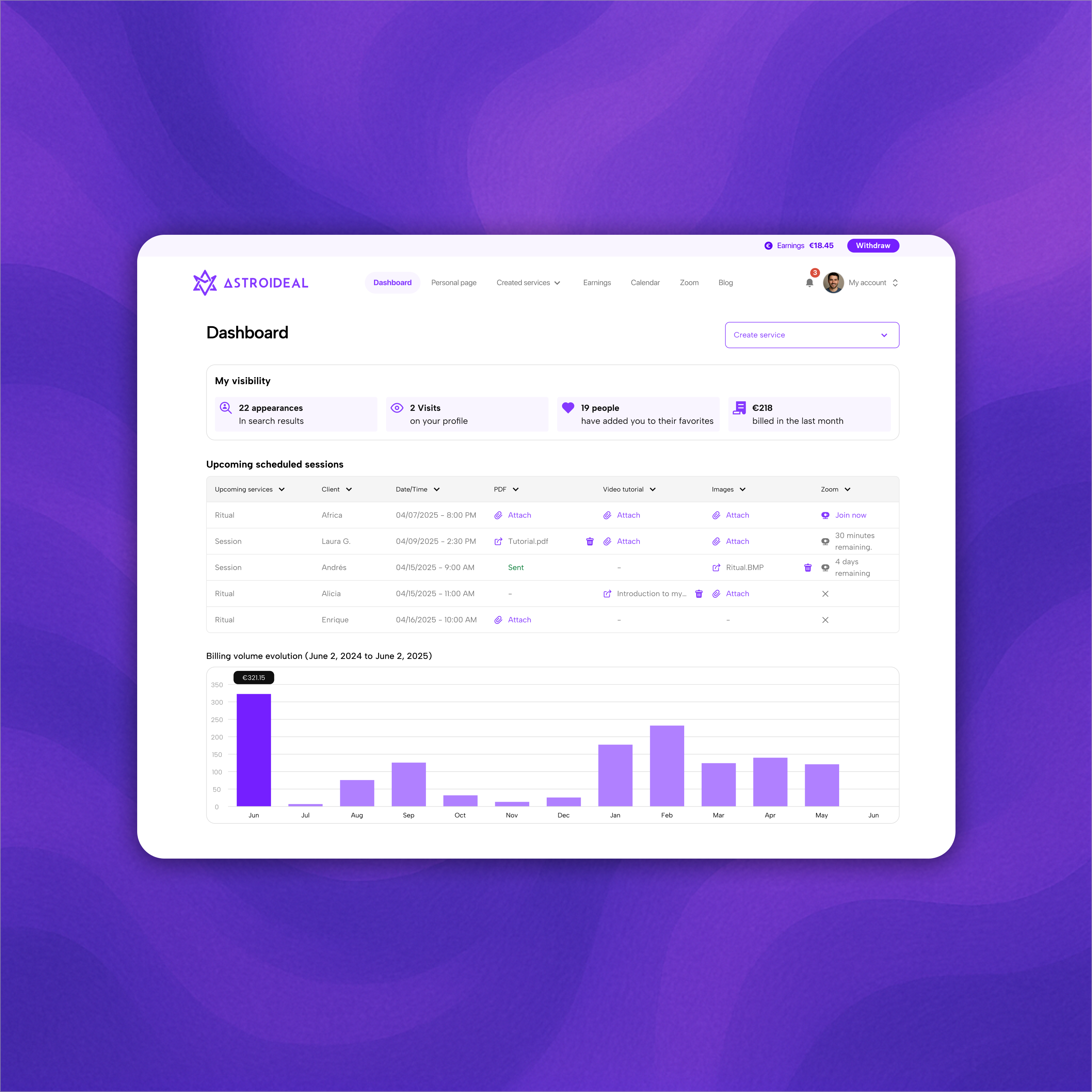
Marketplace platform connecting users with professional tarot readers, optimized for trust and conversion.
View project →
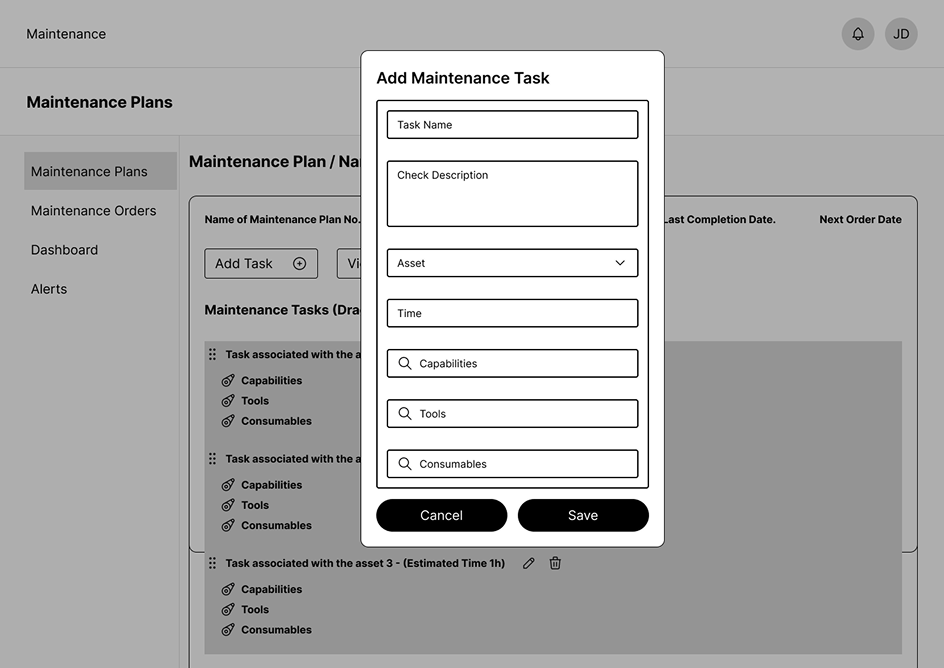
AI-powered manufacturing platform for production and maintenance management, designed to simplify complex industrial operations.
View project →
Customers who have used the DIGNOTM method
Here’s what people are saying
Not sure which service fits your project?
Let’s talk — I’ll review your needs and recommend the right approach.
Schedule an appointment
Let's talk

Product Designer | UX/UI Designer | Figma Expert
Discover the method that will take your project to success
See method
Book an appointment
What is the DIGNOTM method?
A strategic design framework that turns ideas into clear, coherent, and development-ready products.
🧭
DIAGNOSIS
Analysis of the business, users, and goals to define a clear direction for the project.
💡
IDEATION
Transformation of ideas into structured wireframes, flows, and product architecture.
🧩
GENERATION
Creation of a cohesive visual identity and a scalable, system-driven UI.
⚙️
NORMALIZATION
Standardization of components and preparation of a clean, scalable handoff for development.
🔁
OPTIMIZATION
Measurement, testing, and refinement to continuously improve the design.
Customers who have used this method
1
Clarity over decoration
Visual design starts by making things understandable.Layouts, typography, spacing, and hierarchy are used to reduce cognitive load, not to impress. Every visual choice must serve clarity and usability.
2
Structure as a foundation
Good visuals are built on solid structure.Grids, systems, and consistent patterns ensure interfaces that scale, adapt, and remain predictable over time. Structure comes before styling.
3
Calm and intentional aesthetics
Visuals should feel balanced, calm, and intentional.Avoiding excess, noise, and visual tension helps users focus on what matters. Design should guide, not distract.
4
Systems, not isolated screens
Design is treated as a system, not as a collection of screens.Components, tokens, and reusable patterns ensure visual consistency and efficient collaboration with development teams.
5
Honest visual language
Visual identity should reflect what the product truly is.No artificial complexity, no visual overpromising. The interface should communicate reliability, purpose, and respect for the user.
6
Responsible use of resources
Efficiency is also a visual principle.Simpler interfaces, fewer elements, and well-considered interactions contribute to more sustainable and maintainable digital products.
How the DIGNOTM method helps digital products grow

Wireframes, user flows, and product architecture to reduce friction and clarify the experience.Deliverables — Flows, wireframes, IA, interaction logic.
Visual identity and scalable UI system for consistent, development-ready products.Deliverables — Components, tokens, styles, documentation.
Clear, data-driven interfaces for complex platforms and B2B products.Deliverables — Modules, tables, layouts, states, empty-states.
Conversion-focused design with clear messaging and visual consistency.Deliverables — Layout, UI kit, responsive design, handoff.
Projects with the DIGNOTM method
Bluetooth-connected mobile app for smart dice, focused on real-time gameplay and seamless UX.
View project →
Marketplace platform connecting users with professional tarot readers, optimized for trust and conversion.
View project →
AI-powered manufacturing platform for production and maintenance management, designed to simplify complex industrial operations.
View project →
Customers who have used the DIGNOTM method
Here’s what people are saying
Not sure which service fits your project?
Let’s talk — I’ll review your needs and recommend the right approach.
Schedule an appointment
Let's talk